
Koh Samui First-Timer Guide: What to Know Before You Arrive
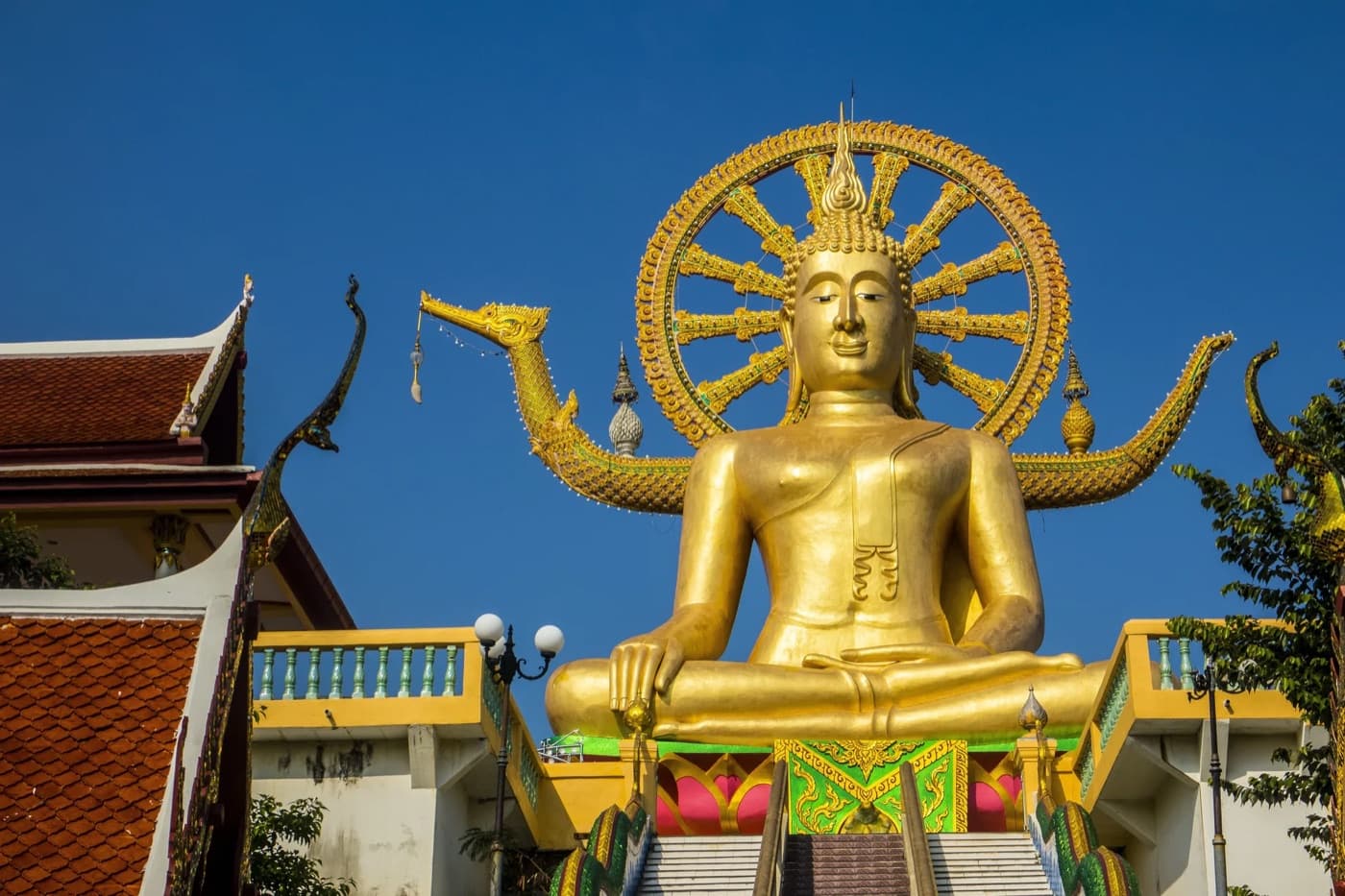
Koh Samui is Thailand's second-largest island and one of the most visited in Southeast Asia. It is an easy island to visit and an easy one to get wrong in the first two days: the wrong flight into the wrong airport, a scooter without a licence, a beach that suits someone else, a trip booked for the one month it rains. What follows is what we get asked at the counter.
Getting there
The Bangkok Airways situation
Koh Samui Airport (USM) is privately owned and operated by Bangkok Airways, which also has a near-monopoly on direct flights from Bangkok. Flights cost far more than typical Thai domestic routes. A Bangkok to Samui return costs several times what you would pay to fly a similar distance elsewhere in Thailand, where fares often sit under 1,000 baht one way.
Bangkok Airways flies from both Suvarnabhumi (BKK) and Don Mueang (DMK), the Don Mueang flights three times a day on smaller turboprops. From abroad, Scoot and Bangkok Airways both fly daily from Singapore, and Bangkok Airways is the only nonstop from Hong Kong.
The cheaper alternative
If you're budget-conscious, fly into Surat Thani Airport (URT) on the mainland. AirAsia, Nok Air and Thai Lion Air run there from Don Mueang (DMK) in Bangkok, often for under 1,000 baht one-way. From Surat Thani you take a bus-ferry combination to Koh Samui. Total journey time from Bangkok is around 4-5 hours against 1.5 hours flying direct.
An overnight train or bus from Bangkok to Surat Thani saves you a night's accommodation.
Getting around the island
Scooter rental
The most common way to get around, and the one that gives you the most freedom. Scooters rent for around 200-350 baht per day depending on the shop and season. You need an international driving permit or a Thai motorcycle licence to be covered by travel insurance. Most tourists ride without one. That is your risk to weigh, not ours.
Samui roads are generally fine in the main areas. The ring road is straightforward. The inland mountain roads are narrower and steeper, and slippery when wet. Traffic in Chaweng on a busy evening is dense. Take the first day easy while you get a feel for the roads.
Grab
Grab (the Southeast Asian equivalent of Uber) works well in Koh Samui. Drivers are available in the main tourist areas, pricing is transparent, and you avoid the taxi negotiation that some travelers find exhausting. It's the easiest option for airport runs and for nights when you don't want to ride a scooter.
Taxis and songthaews
Agree on the price before you get in. Grab's own page quotes 200 to 350 baht between the airport and the centre of the island, which is a fair reference for a taxi on the same run.
Songthaews are shared pickup trucks that run fixed routes around the ring road. Expect 50 to 100 baht for a hop between neighbouring beaches, more for longer runs. There is no posted fare, so tourists are often quoted higher. Flag one down, tell the driver your destination, and confirm the price.
Where to stay
Each beach on Samui has its own character, and picking the wrong one costs you every taxi fare of the trip.
Chaweng. The biggest, busiest, most commercial beach on the island. Long, white sand, good for swimming, backed by the island's densest strip of bars, restaurants, and shops. The middle of everything, and the noisiest and most crowded.
Lamai. Smaller and slightly quieter than Chaweng. Good beach, more relaxed vibe, still plenty of restaurants and bars. Often recommended as the compromise between Chaweng energy and the quieter north coast.
Bophut and Fisherman's Village. The old village is low wooden shophouses, cafes and restaurants. The beach is calmer and less crowded than Chaweng or Lamai, and smaller. Pick it if you care more about the street than the sand.
Maenam. Quiet, long beach on the north coast. Local feel, fewer tourists, slower pace. Good for families and anyone wanting a break from tourist-strip energy. Less infrastructure than Chaweng but improving.
Choeng Mon. A small, sheltered bay in the northeast. Calm water, upscale resorts, quiet. Close to Big Buddha and the northeast temples. A bit isolated if you want to go out at night.
Money and ATMs
Thailand is still largely cash-based, especially outside of major hotels and restaurants. ATMs are everywhere in Chaweng and the main tourist areas, but Thai ATMs charge foreign card holders a flat fee per withdrawal regardless of amount, and it runs to a few hundred baht. The exact figure varies by bank and by whether your card is Visa or Mastercard, and it appears on screen before you confirm. Withdraw larger amounts less frequently to minimize fees.
Wise, Revolut and some travel cards give better international ATM rates. Set one up before you travel.
Credit cards are accepted at most hotels, larger restaurants, and Central Festival mall. At markets, street food stalls, massage places, and smaller shops, expect cash only.
SIM cards and connectivity
Pick up a SIM card at the airport on arrival. AIS, DTAC, and True Move all have counters at USM. A tourist SIM runs about 300 to 450 baht for 8 days, 600 to 700 baht for 15 days, and around 1,200 baht for 30 days. Connection is generally good across the island, with occasional dead spots on inland and mountain roads.
Your hotel will also have wifi, though speed varies significantly between properties.
Weather and when to go
Koh Samui has two distinct seasons influenced by the northeast monsoon.
Mid-October to early December is the wet season, with November the wettest month: heavy rain, occasional flooding, and red flags on the beaches. The island stays open, but the sea and the roads both get rough.
December to April is the dry season on the east coast, where Chaweng and Lamai are. February to April is the most reliable stretch. January still averages around ten rainy days.
May to October brings short afternoon showers on either coast. The sea is generally calmer and the island is less crowded, though July and August see a spike in visitors. The west coast's advantage comes later, in October and November, when the ridge through the middle of the island shelters it.
The month-by-month rainfall figures, and what to do when it pours, are in Koh Samui in November. Landing and going straight to a ferry? See Samui airport to the ferry.
One practical note: Samui sits in the western Gulf of Thailand, off Thailand's east coast. During the northeast monsoon, the west coast islands (Koh Lanta, Phuket) are in better condition. The Thai dive schools move between coasts for exactly this reason.
Safety
Scooters are the biggest risk. Ride sober, wear a helmet, and skip roads you are not comfortable with, however good the view is meant to be. Samui hospitals see tourist scooter injuries every day.
Riptides. The sea conditions around Samui vary significantly by beach and season. Red flags mean don't swim. Even on calm days, some beaches have currents that are stronger than they look. Check with locals or your hotel before swimming at an unfamiliar beach.
Jet skis. A well-documented scam in various Thai beach areas involves jet ski operators claiming damage that wasn't there before your ride. If you rent a jet ski, photograph it thoroughly before getting on. If you have not ridden one before, skip it.
Food and water. Tap water is not drinkable. Bottled water is cheap and available everywhere. Ice in tourist restaurants and hotels is generally fine. Street food is generally safe if it's cooked fresh and busy. Trust the stalls with queues.
The basics you'll figure out anyway
Temple dress code: shoulders and knees covered. It is custom rather than a posted rule, but it is expected, and vendors outside Big Buddha sell sarongs if you forget.
Shoes off inside temples and many guesthouses. Easy to remember once you see everyone else doing it.
Pointing feet at people or religious objects is considered rude. Keeping your feet on furniture is not appreciated in Thai culture.
The head is considered sacred; don't touch someone else's head.
"Mai pen rai" translates roughly as "never mind" and it is the island's unofficial motto. Things move slower here than you want them to on day one.
Quick answers
What is the cheapest way to get to Koh Samui? Fly to Surat Thani on the mainland with AirAsia, Nok Air or Thai Lion Air, often under 1,000 baht one way, then take a bus and ferry combination to Samui. About 4 to 5 hours from Bangkok, against 1.5 hours flying direct with Bangkok Airways.
Do I need a licence to rent a scooter in Koh Samui? To be covered by travel insurance you need an international driving permit or a Thai motorcycle licence. Rentals run about 200 to 350 baht a day.
Does Grab work in Koh Samui? Yes. Drivers are available in the main tourist areas and pricing is shown before you book, which avoids the negotiation with unmetered taxis.
Where should I stay in Koh Samui? Chaweng for the busiest beach and nightlife, Lamai as the quieter compromise, Bophut and Fisherman's Village for the old street rather than the sand, Maenam for a slow north-coast beach, Choeng Mon for a sheltered bay near the airport.
When is the best time to visit Koh Samui? February to April, with 5 to 8 rain days a month. November is the wettest month at about 490 mm, and the sea is rough on the east coast from mid-October to early December.
Updated September 2026. Always check current visa requirements and travel advisories before your trip.